
In 2026, the global trade landscape continues to reshape, and while geopolitical tensions and tariff policy shifts bring uncertainty, the fundamentals of globalization remain solid. According to DHL's Global Connectedness Report 2026, globalization remains at historically high levels, with cross-border flows of trade, capital, and information staying robust. DP World's Global Trade Outlook (GTO) 2026 Annual Report shows that 94% of respondents expect trade growth in 2026 to be on par with or faster than 2025.
For international traders worldwide, choosing the right market is more critical than blind investment. This article provides a global perspective on the most promising hot markets in 2026, analyzing their advantages, characteristics, and development strategies.
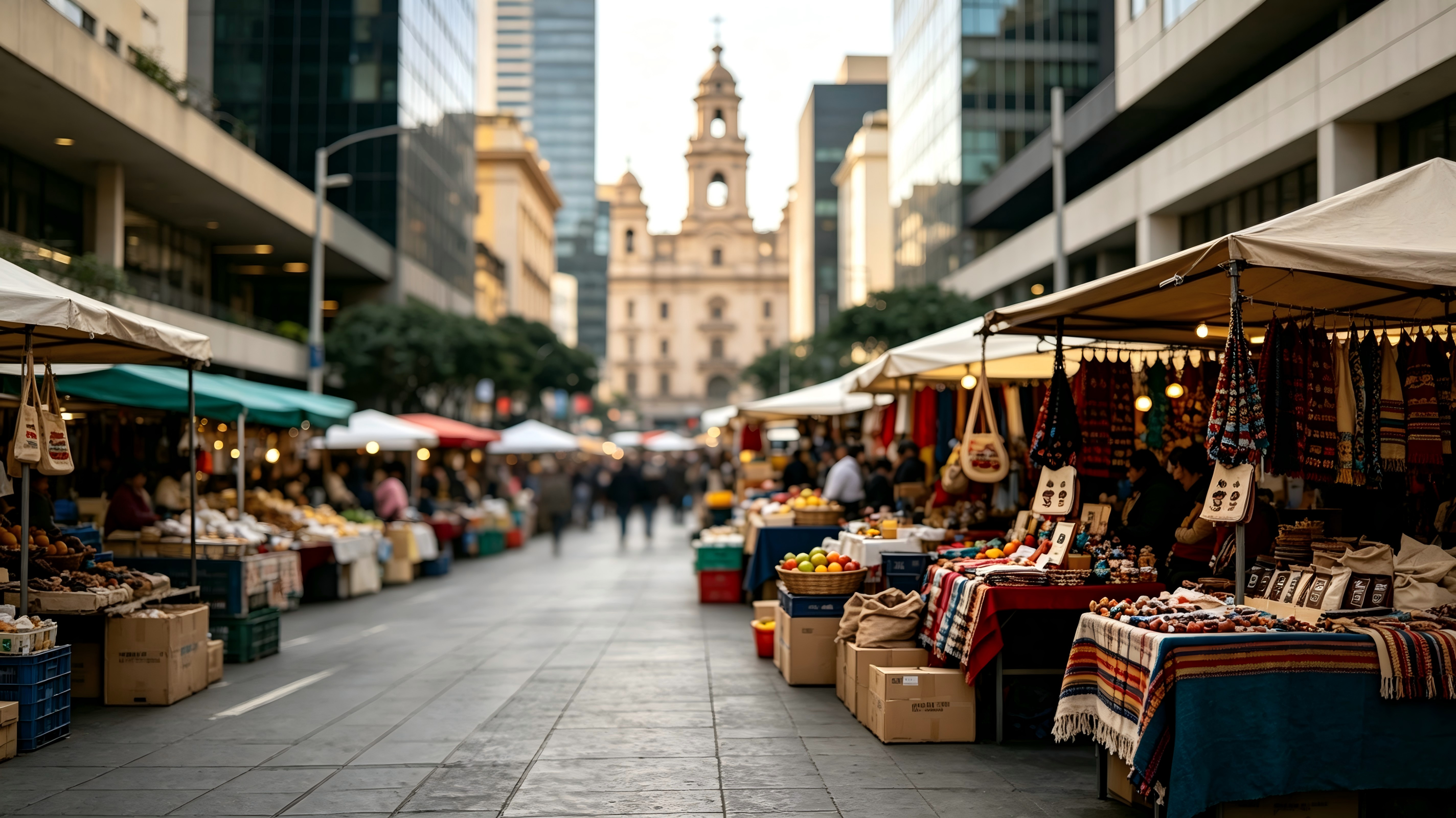
I. Latin America: The Fastest-Growing E-Commerce "Blue Ocean" Globally
Market Overview
Latin America is becoming the fastest-growing e-commerce region in the world. In 2025, the Latin American retail e-commerce market approached US$190 billion, growing at 1.5 times the global average. In the first quarter of 2026, sellers newly launched on Brazil and Mexico sites saw sales more than double compared to the same period last year, and during Mexico's Hot Sale event, they achieved more than fourfold growth.
Advantages and Characteristics
First, a huge demographic dividend. Latin America has over 660 million people, with the working-age population (15–64) accounting for 67.65% – more than two-thirds are young adults with strong purchasing power. Second, significant room for e-commerce penetration growth. In 2025, e-commerce sales accounted for only 14.1% of total regional retail sales, far below other major global markets. Third, favorable consumer habits. Latin American consumers prefer installment payments, effectively unleashing purchasing power.
Development Recommendations
First, start with products already validated in the U.S. or European markets as a relatively steady approach. Second, pay attention to localization differences – Brazilian consumers are price-sensitive, while Mexican habits are closer to the U.S., so differentiated strategies are needed. Third, plan logistics in advance. Sea freight to Brazil has long lead times, requiring at least three months of inventory planning. Fourth, prioritize compliance. Brazil's tax reform is ongoing, and compliance thresholds are rising rapidly – but compliance is the foundation for long-term growth.
II. The Middle East: A "Golden Window" Under the Mega-Infrastructure Cycle
Market Overview
The Middle East is at a critical stage of economic transformation, notably represented by Saudi Arabia's Vision 2030. By 2025, about 309 of the 390 Vision 2030 targets had been achieved at an interim level, and 2026 officially marks the start of the plan's third phase. The MENA e-commerce market exceeded US$110 billion in 2025 and is expected to reach US$150 billion by 2028.
Advantages and Characteristics
First, strong purchasing power. Saudi Arabia's GDP exceeds US$1 trillion, with an A+ sovereign credit rating and a solid economic foundation. Second, a young population. Saudis under 35 account for 69.4% of the population – young, affluent, and digitally receptive. Third, a strategic hub position. Establishing a presence in Saudi Arabia not only serves the local market but also opens access to the Gulf states, North Africa, and East Africa, covering over 400 million consumers. Fourth, favorable financial environment. The Saudi riyal is pegged to the U.S. dollar at a fixed exchange rate with no foreign exchange controls, making cross-border fund transfers convenient.
Development Recommendations
First, focus on Saudi Arabia's long-term strategic projects. Saudi is not a "quick-buck" market; its policy direction explicitly requires long-term commitment. Second, prioritize localization. Saudization requirements and tendering rules mean that only deep local engagement can secure project opportunities. Third, leverage e-commerce platforms. Amazon Saudi and UAE sites continue to lead in traffic and are key channels for reaching consumers. Fourth, stay informed on logistics developments. Although the Strait of Hormuz has experienced volatility, cross-border routes are not broken, and fulfillment capacity is steadily recovering.

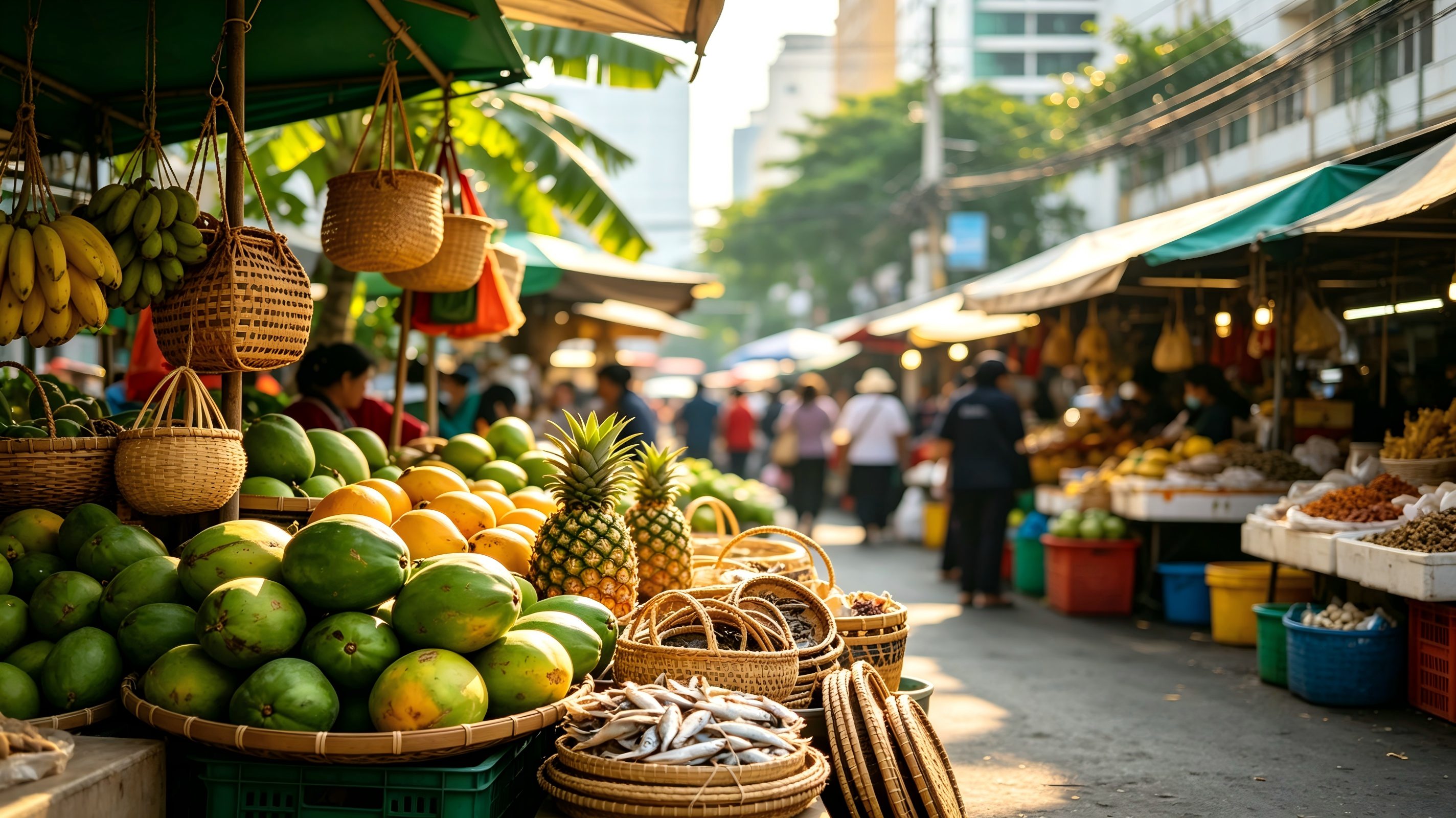
III. Southeast Asia: A "Nearby Opportunity" with Nearly 700 Million People
Market Overview
Southeast Asia remains a hotspot for global trade. Vietnam is a typical example – in 2025, bilateral trade between China and Vietnam reached US$296.14 billion, with China remaining Vietnam's largest trading partner for many consecutive years. In the first half of 2026, Vietnam's exports grew by over 20%. Indonesia also stands out – in the first five months of 2026, its imports of non-oil-and-gas products from China reached US$39.27 billion, accounting for 41.83% of its total non-oil-and-gas imports.
Advantages and Characteristics
First, geographical proximity and close supply chain links, resulting in relatively lower communication and logistics costs. Second, a young demographic structure. Vietnam ranks high in demographic fundamentals. Third, expanding manufacturing capacity. Under the RCEP framework and against the backdrop of global supply chain regionalization, manufacturing advantages in countries like Vietnam are further amplified.
Development Recommendations
First, recognize the reality of "high opportunity, high friction". Vietnam ranks third in market attractiveness but also ranks high in operational friction. Second, budget for compliance costs. In markets like Vietnam, annual compliance costs for a company with 100 employees can reach US$70,000 to US$80,000. Third, emphasize local language and regulatory compliance. Vietnamese is the sole official language for regulatory filings, heavily relying on local teams. Fourth, monitor equipment demand from manufacturing upgrades. Machinery, components, and related categories continue to see growing demand.
IV. Africa: A "New Growth Pole" with Unleashing Policy Dividends
Market Overview
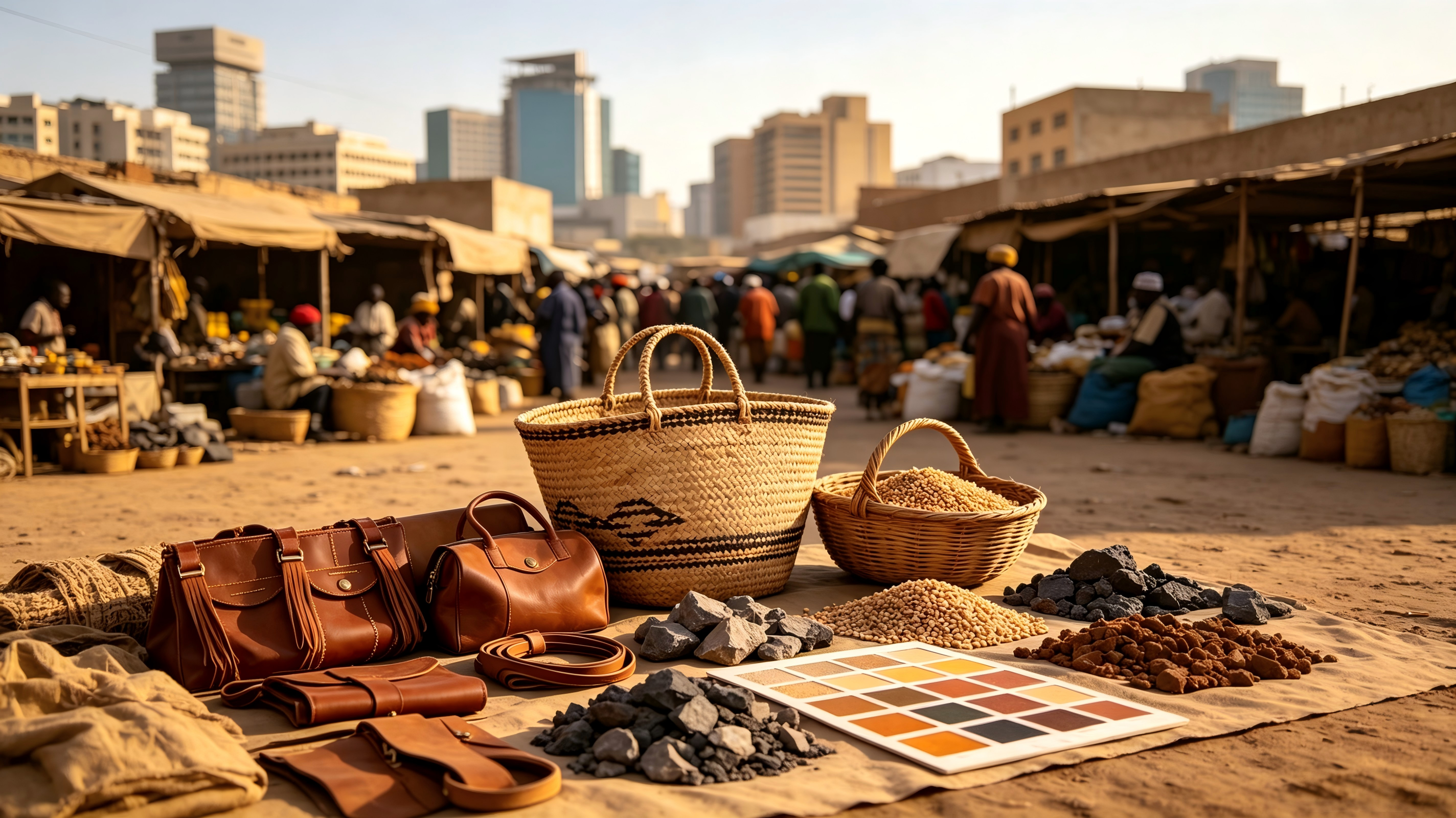
Effectve May 1, 2026, China implemented zero tariffs on all goods from 53 African countries with which it has diplomatic relations. Nigeria, Africa's most populous country, is expected to see non-oil export revenues grow by 40% in 2026. African merchandise trade grew by 6.1%, reaching nearly US$1.5 trillion.
Advantages and Characteristics
First, the fastest-growing population, nurturing a continuously expanding young consumer base. Second, strong infrastructure demand. Transportation, power, and telecommunications infrastructure projects continue to release demand for engineering equipment and building materials. Third, overlapping policy dividends. The African Continental Free Trade Area (AfCFTA) continues to drive regional economic integration.
Development Recommendations
First, focus on key markets such as Nigeria, South Africa, and Egypt. Second, seize the zero-tariff policy opportunity to expand import and export business with Africa. Third, pay attention to agro-processing and manufacturing. Africa is transitioning from primary product exports to processing and manufacturing. Fourth, watch the AGOA policy window. The African Growth and Opportunity Act has been extended through December 31, 2026.
Conclusion
In 2026, global trade hotspots present a "multi-point flowering" pattern. Latin America's e-commerce boom, the Middle East's mega-infrastructure, Southeast Asia's manufacturing upgrades, and Africa's policy dividends – each has its own characteristics and entry barriers.
For international traders, the key lies in three points: choose the right track – select the most suitable market based on your product characteristics; embrace localization – every market has unique consumer habits, regulatory requirements, and cultural differences; plan compliance in advance – global trade regulation is tightening, and compliance is not a cost but a ticket to entry.
Regardless of which market you choose, long-term commitment beats short-term speculation – as the Middle East has shown, those willing to go local, understand local needs, and serve local markets will ultimately share in the greatest benefits of market growth.